
Cenote Sac Actun
Exploring a [very small] section of the longest documented underwater cave system in the world!

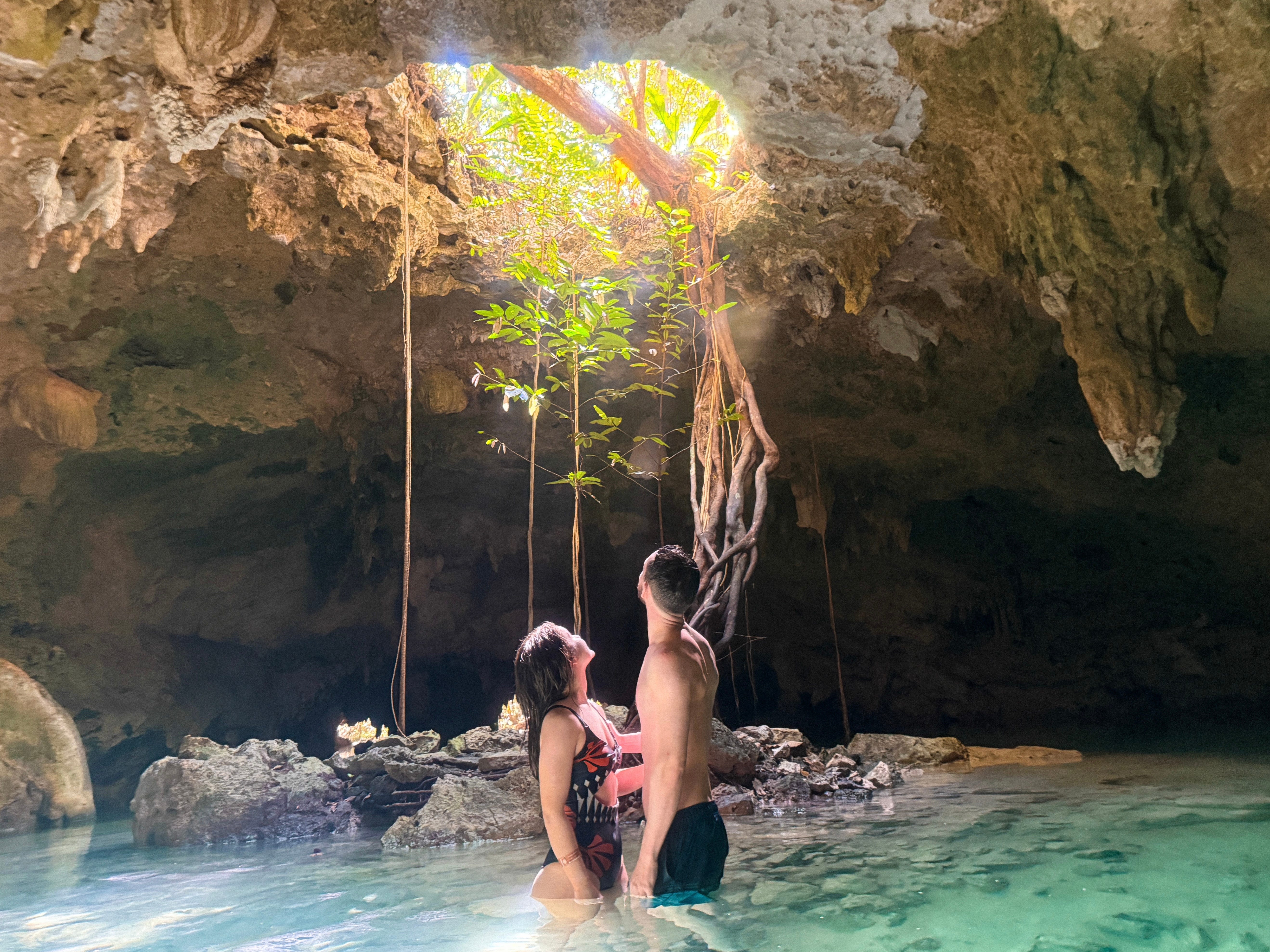
Hello and happy Wednesday! (It’s currently Tuesday night as I’m writing this, but I’m scheduling it to go up in the morning so hi from the past.) Today’s post is all about our experience visiting two cenotes near Tulum. I’m focusing mostly on Cenote Sac Actun, since that’s where we spent the majority of our time, but I’ll also share a few pictures and notes about Cenote Xunaan Ha at the end.
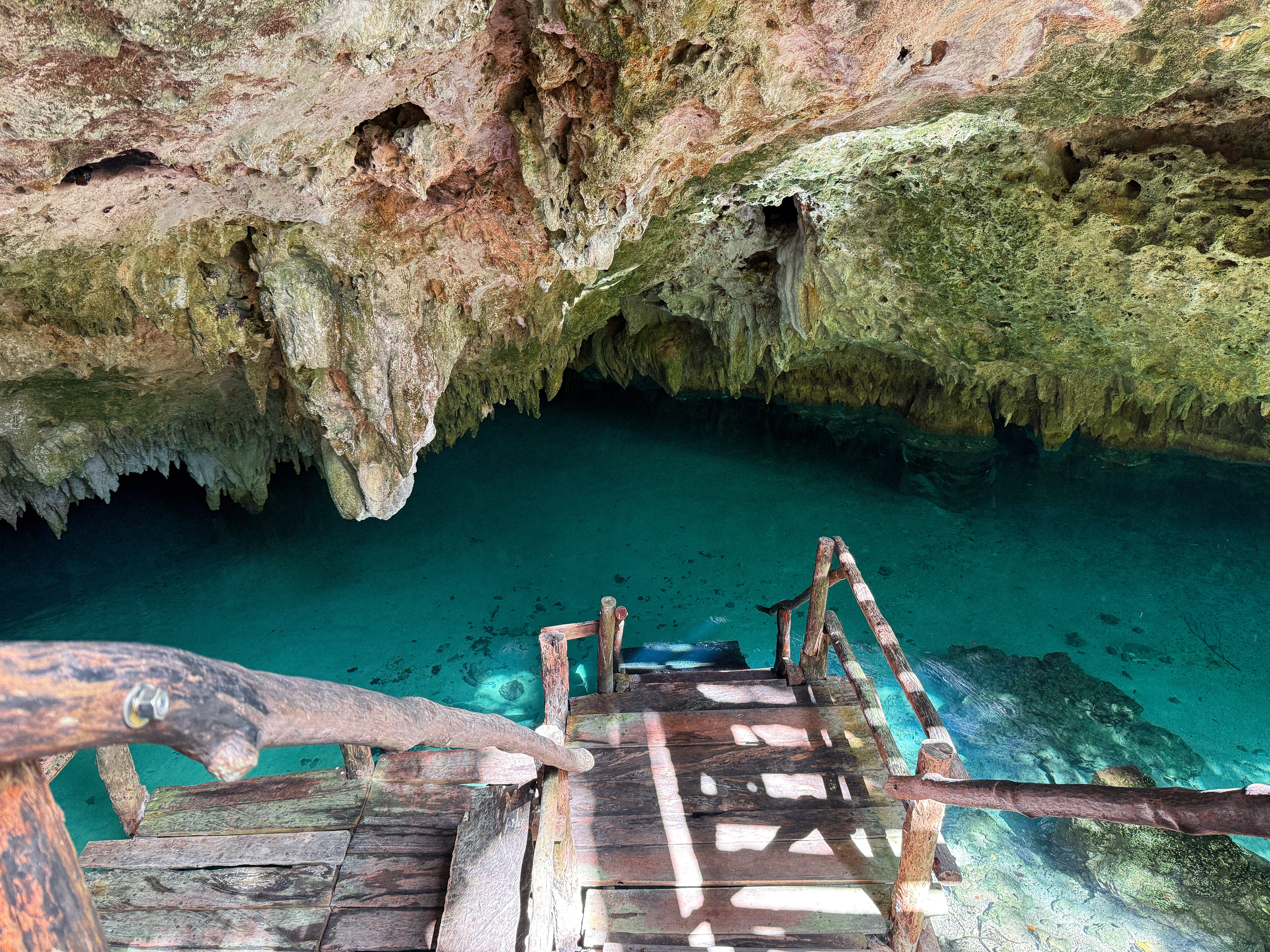
Karst topography has always interested me, so much so that I actually took a class on it in college just for fun (it counted toward my minor, but still). If you’ve been following this blog for a while, you might remember a road trip we took back in 2015 to eastern Tennessee. That trip was inspired by the seminar I took because the professor showed photos of the region’s sinkholes, waterfalls, and cave systems and I never forgot those images. As soon as we had the chance we headed to Tennessee to see it all in person; hiking to waterfalls and exploring caves shaped by this incredible geology. He also talked a lot about cenotes and I’ve always wanted to see them.
SO, while I was planning our trip to Tulum, I knew I had to experience the cenotes but since we didn’t rent a car our options were either riding bikes or booking a tour. I ended up going the tour route and found what looked like a really fun option on Viator. I think I was just slammed at work and not fully present when I booked it and didn’t realize we were going to be taken on a private tour and swimming through underground caves. I saw good reviews, a cool-looking photo, and hit “reserve” without much more thought. Imagine my surprise when we were picked up and told it was a 2:1 private tour.
Our guide, Eduardo, was incredible. He’s been leading tours in Mexico for over 12 years and you could immediately tell he genuinely loves what he does. On top of that, he spends his free time diving in the local cave systems so his knowledge of the cenotes was super in-depth. He even pointed out different types of wildlife living in them which I loved because I had about a lot of questions about the fish, birds, and bats we saw along the way.
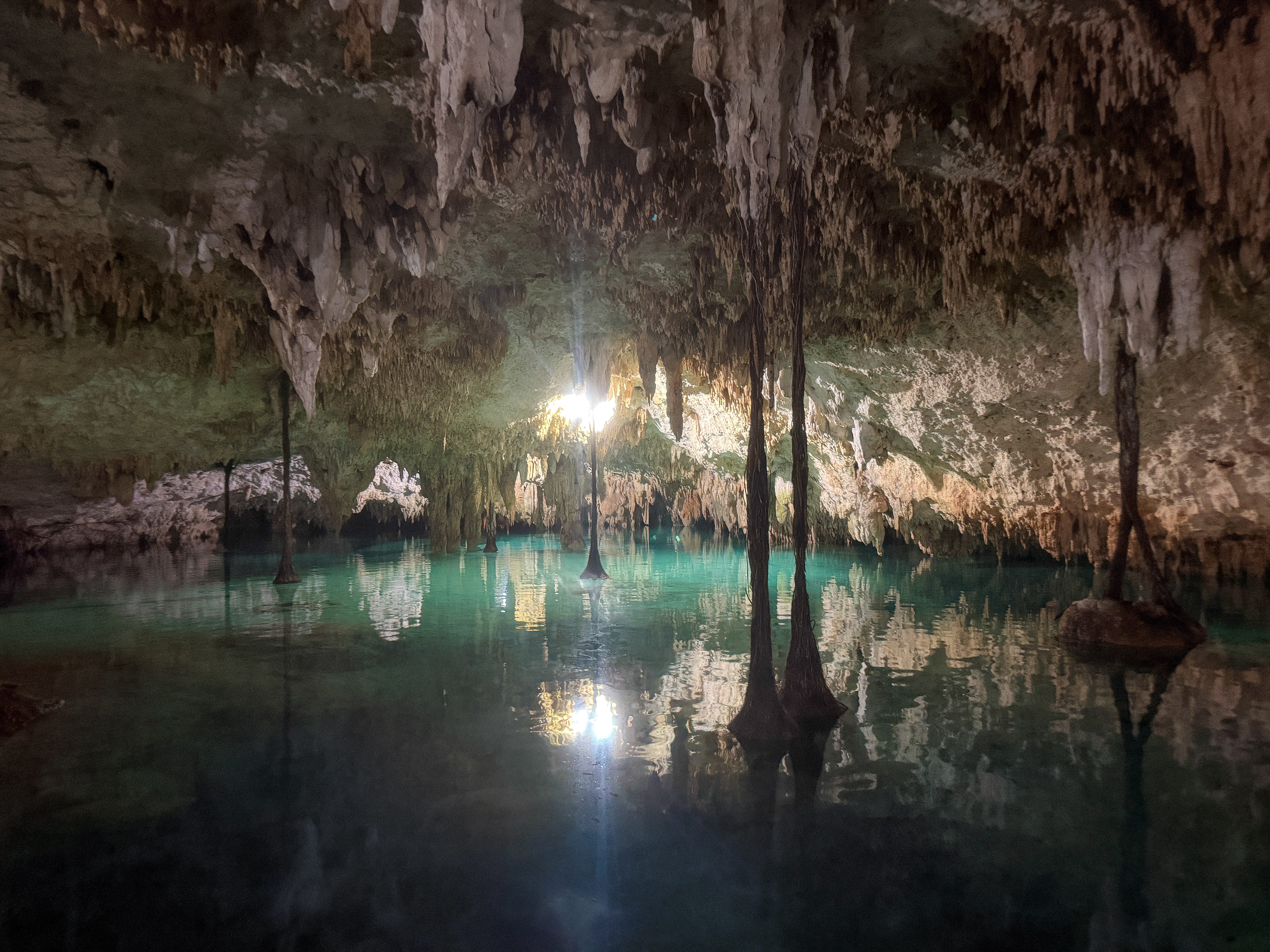
Cenotes are a natural pit or sinkhole that forms when limestone bedrock collapses and exposes the groundwater underneath. The water is often crystal clear because it originates from rainwater that slowly filters through the limestone which filters out most particulates. In Mexico, cenotes are especially abundant in the Yucatán Peninsula (where Tulum is located), where an estimated 6,000 to 10,000 can be found (it was hard for me to determine an exact number, as sources aren’t always consistent).
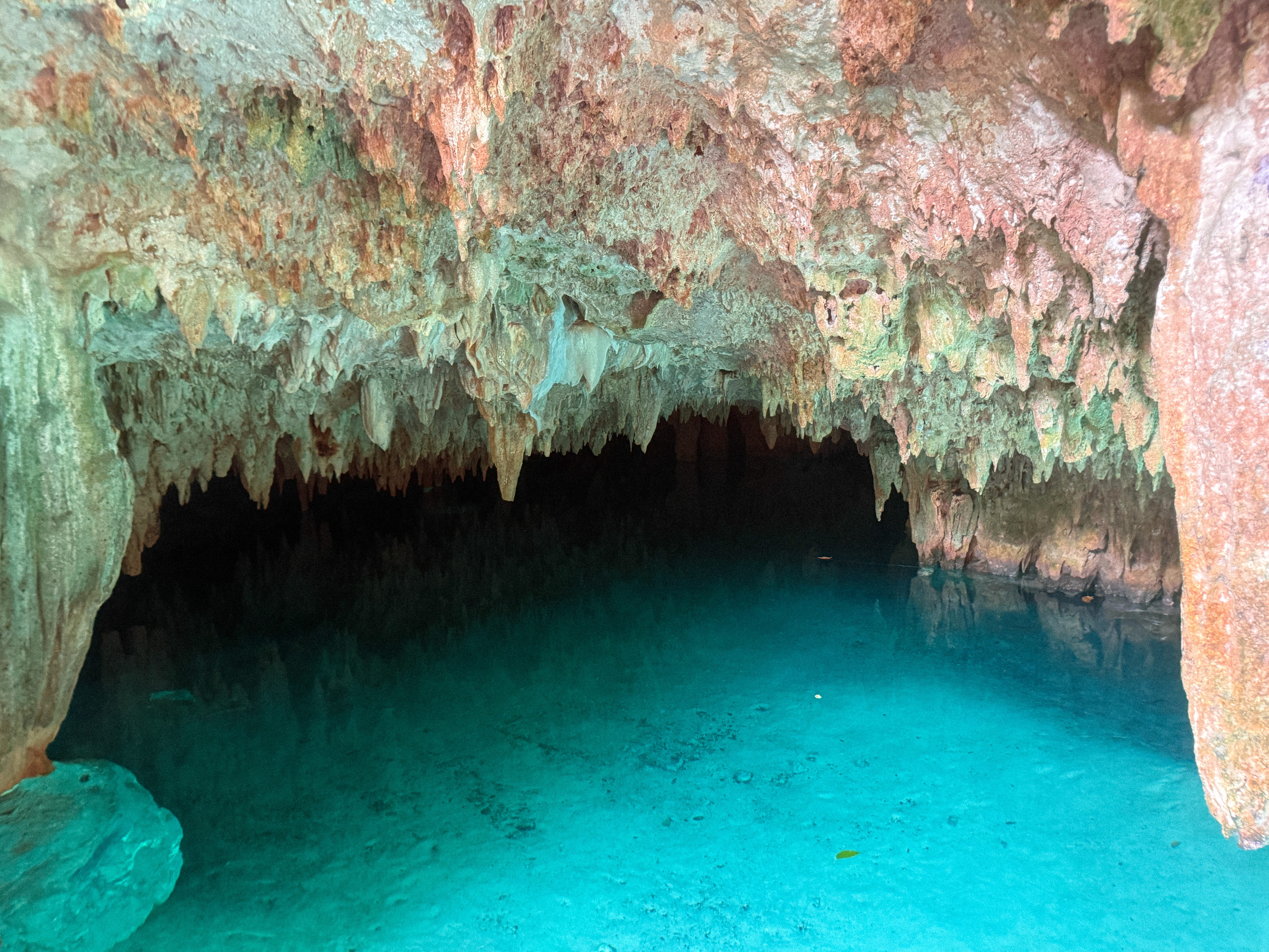
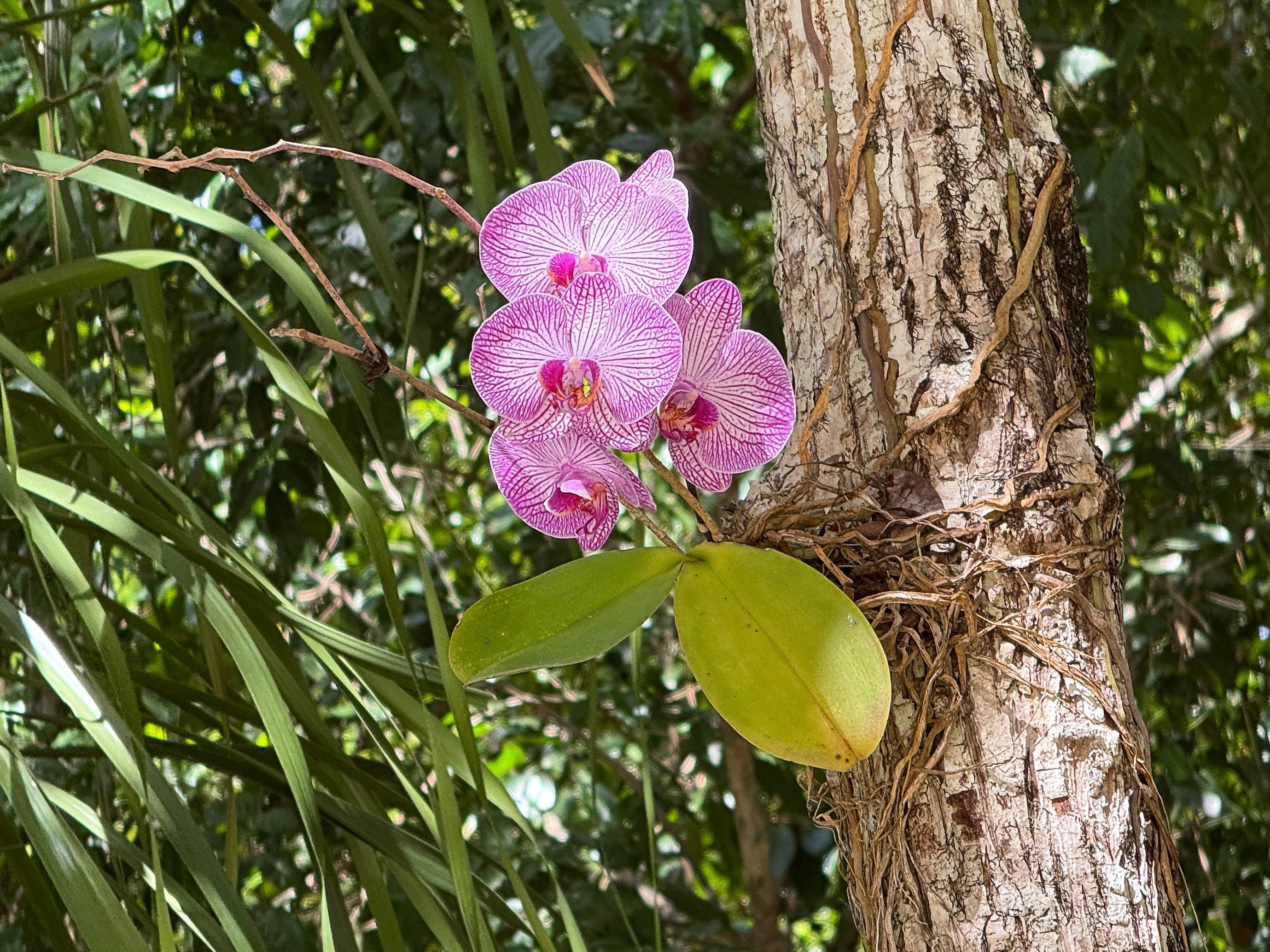
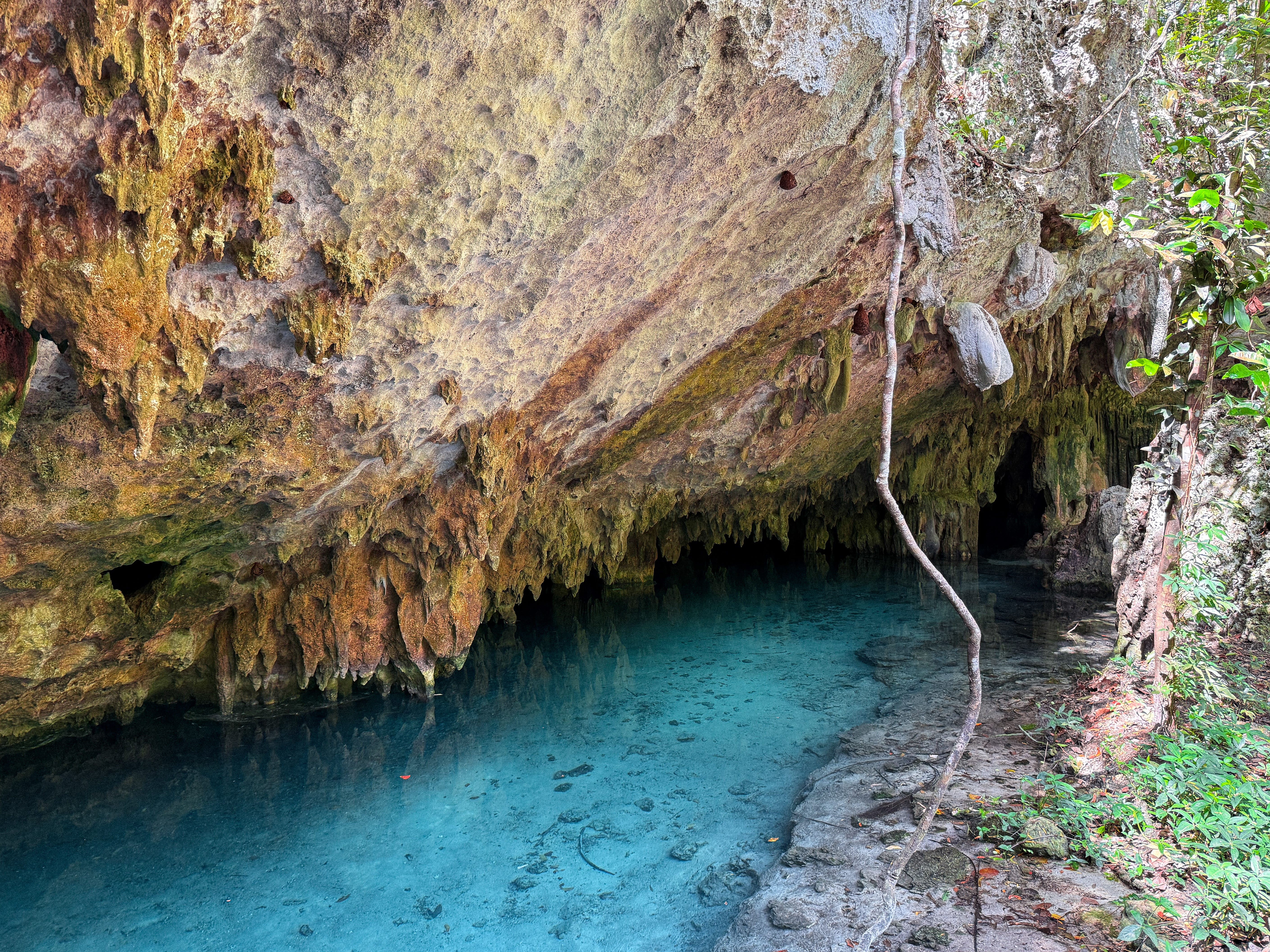
When we got to Cenote Sac Actún, we were the only car in the lot. The jungle was amazing, with tons of orchids in all shapes and sizes growing in the trees. We grabbed some life vests, snorkel masks, and flashlights, and we were on our way. It’s hard to describe how beautiful the caves are, so I’ll just let the pictures do them as much justice as possible (though fair warning: my phone was in a waterproof case, so the quality isn’t the best).
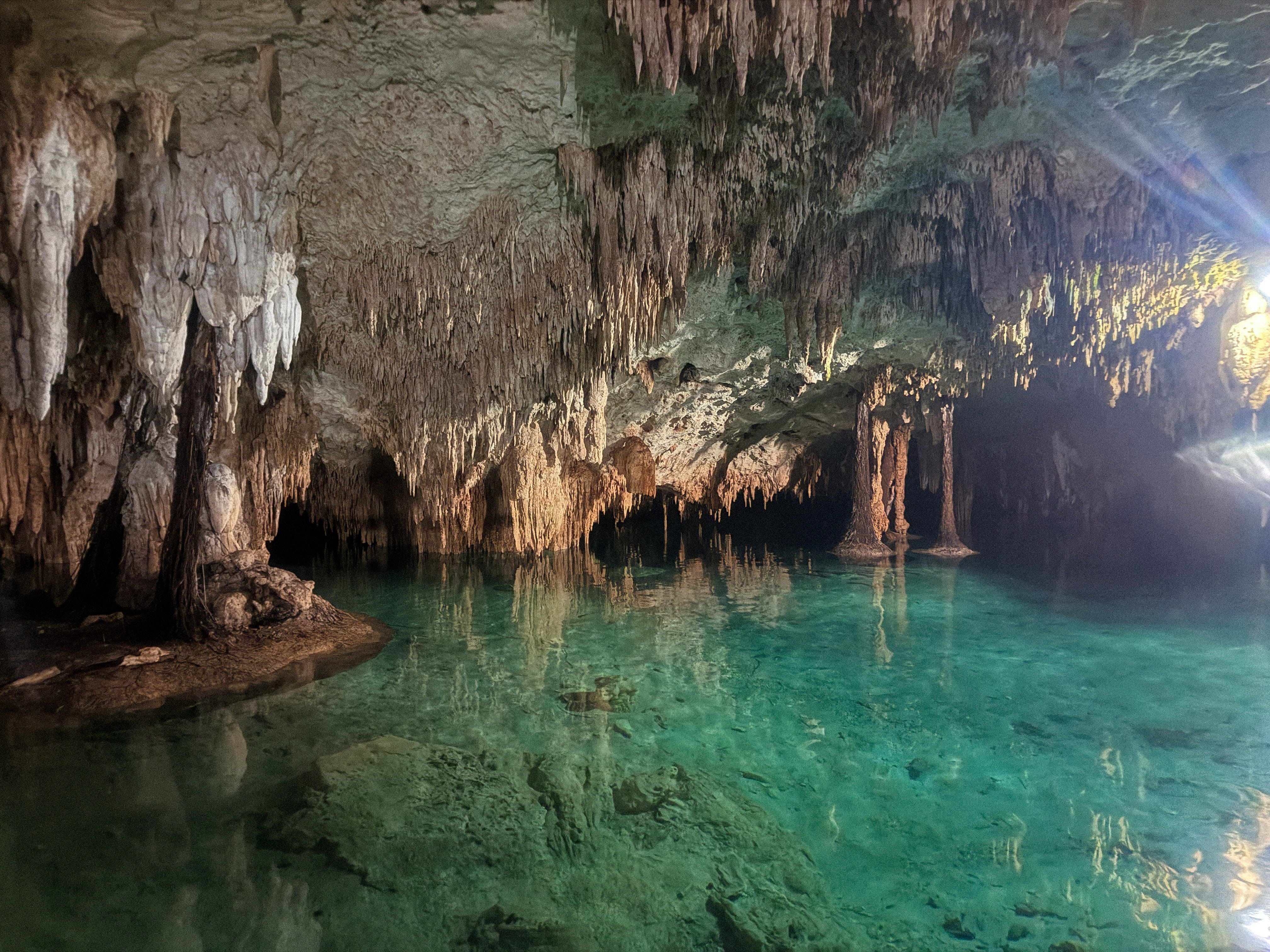
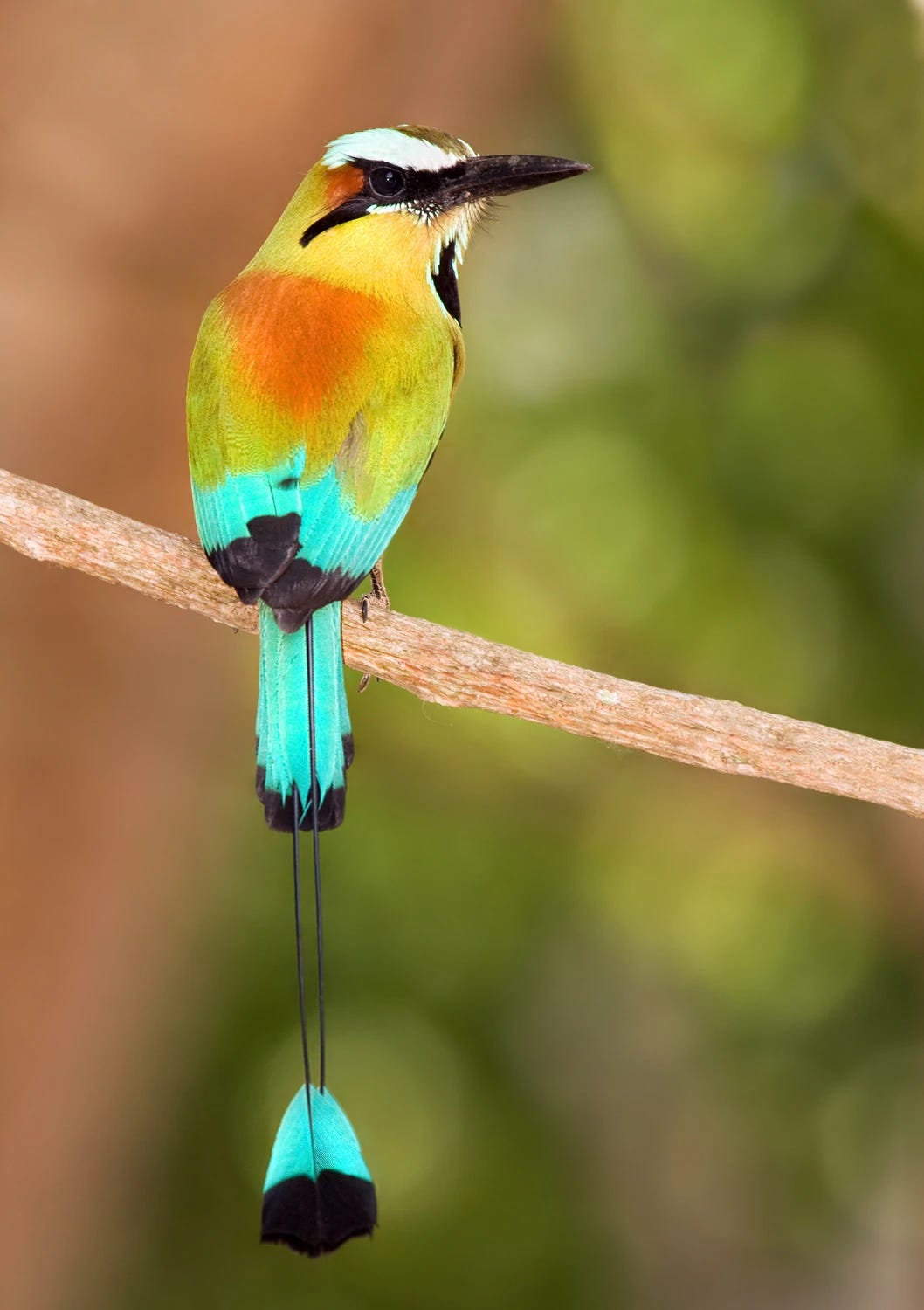
The water is so clear it looks shallow, until you jump in and realize how deep it actually is. There were little fish swimming around everywhere and these incredible birds called motmots fluttering through the caves (picture below). There were also some very cute, fuzzy bats and apparently they’re a key part of the ecosystem because they drop fruit and other things into the water that the fish feed on. The water was cool but not cold, around 68 degrees. I was fine for the first hour, but I started to get a chill in the last 30 minutes and by the end, my teeth were chattering.
Our guide gauged our comfort with tight, dark spaces before picking a route for us (neither of us are claustrophobic or bothered by small, dark spaces), so we ended up going through some really narrow sections. Then, just when it felt like the walls were closing in, they would suddenly open up into massive caverns with tiny holes in the ceiling letting in little beams of natural light. They were amazing!! The tour guide gave little bits of information but otherwise we floated in silence just taking it all in.
In the video above you can see where we are but then I pan behind us, and you can see how close the roof of the cave comes to the water/where we came from. You can also see bats fluttering around.
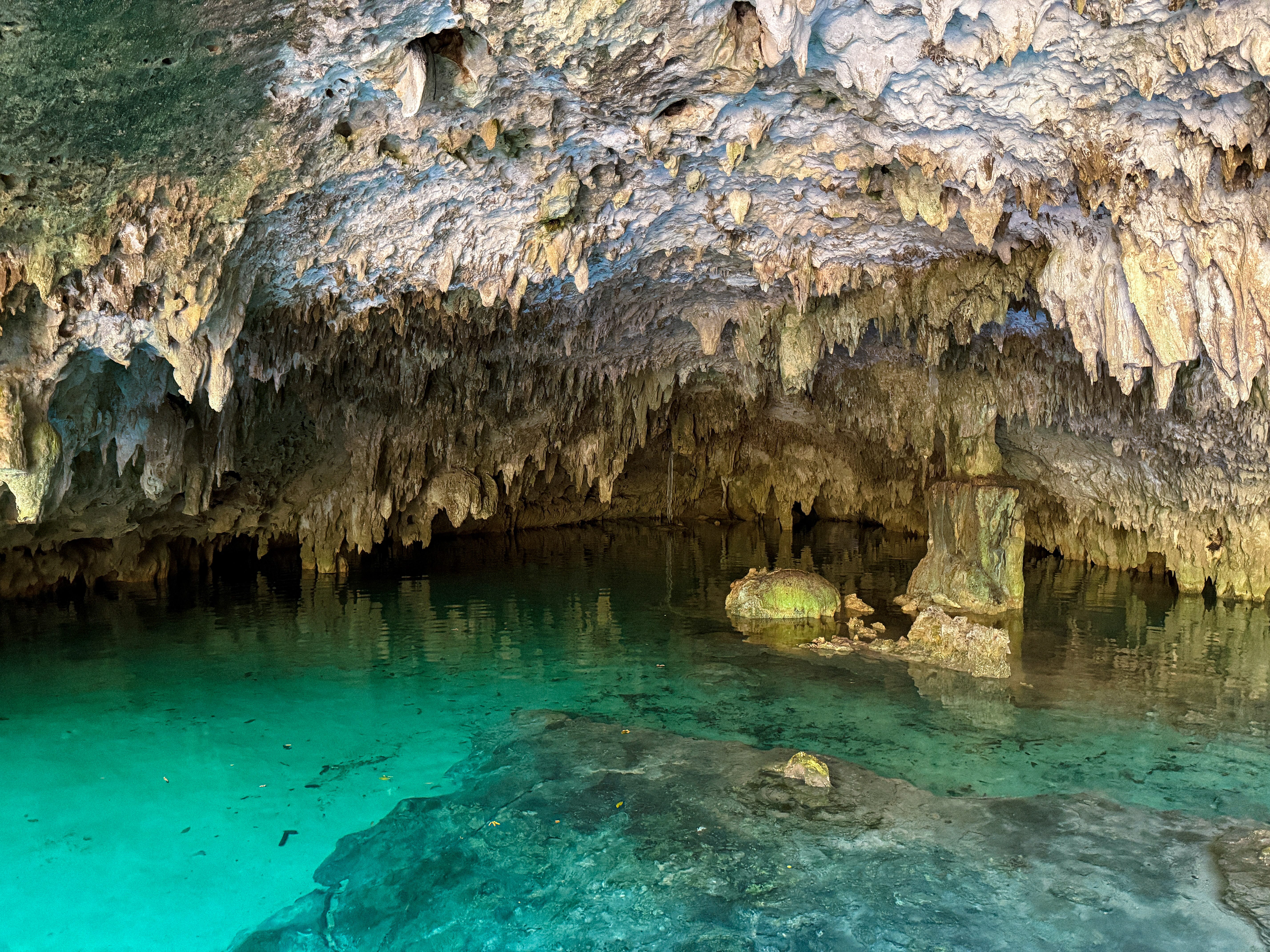
Many cenotes are actually entrances to huge underwater cave systems. In some places the cave roofs have partially collapsed, creating dramatic open-air pools but most of them connect underground. Ox Bel Ha (which means "Three Paths of Water" in Yucatec Maya) is located in Quintana Roo and it’s currently the longest explored underwater cave system in the world and if you include dry cave sections, it ranks second overall. As of February 2025 divers have mapped out 325 miles of underwater passages, with more than 160 cenotes connected throughout the system. Absolutely wild.
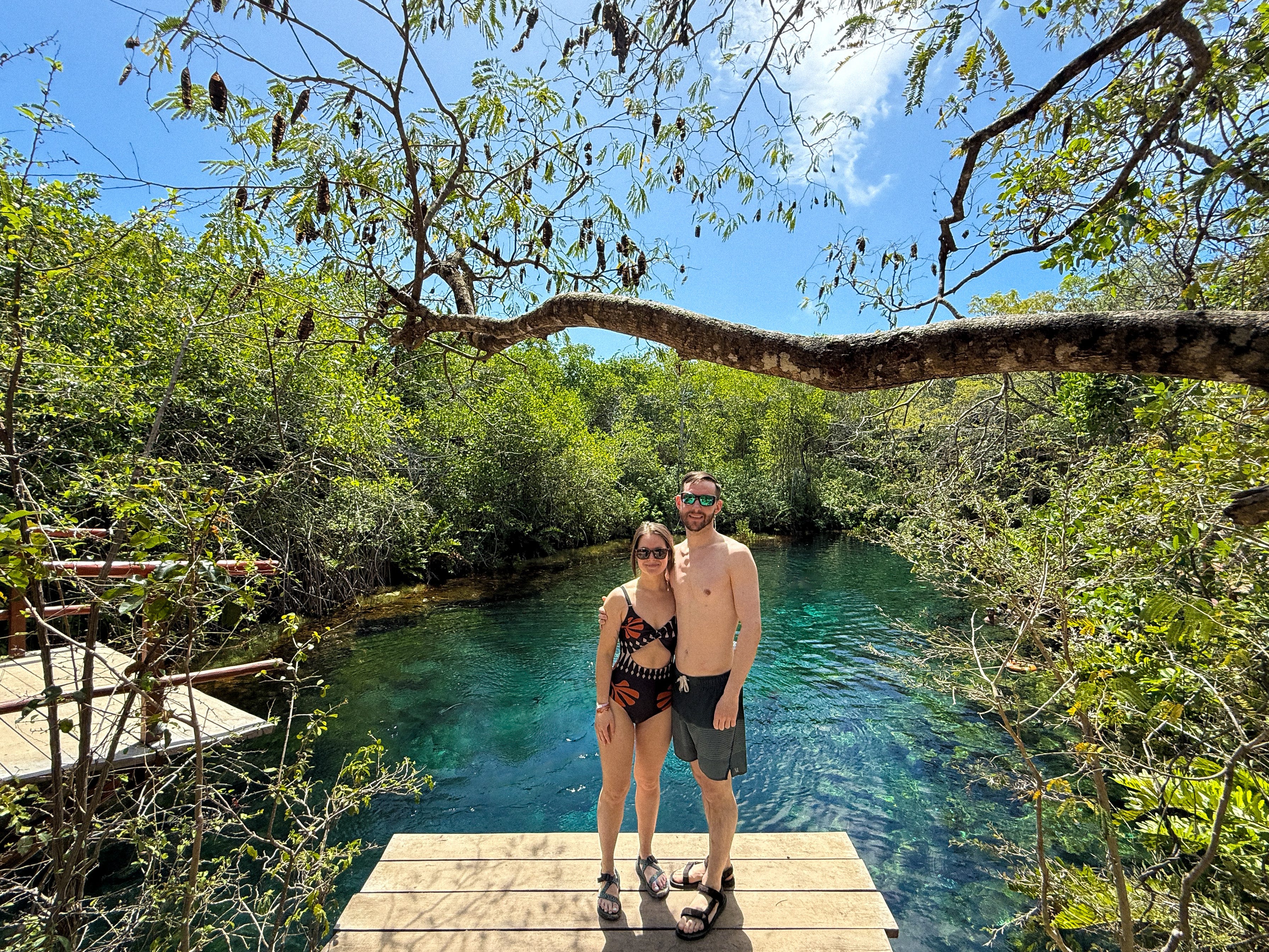
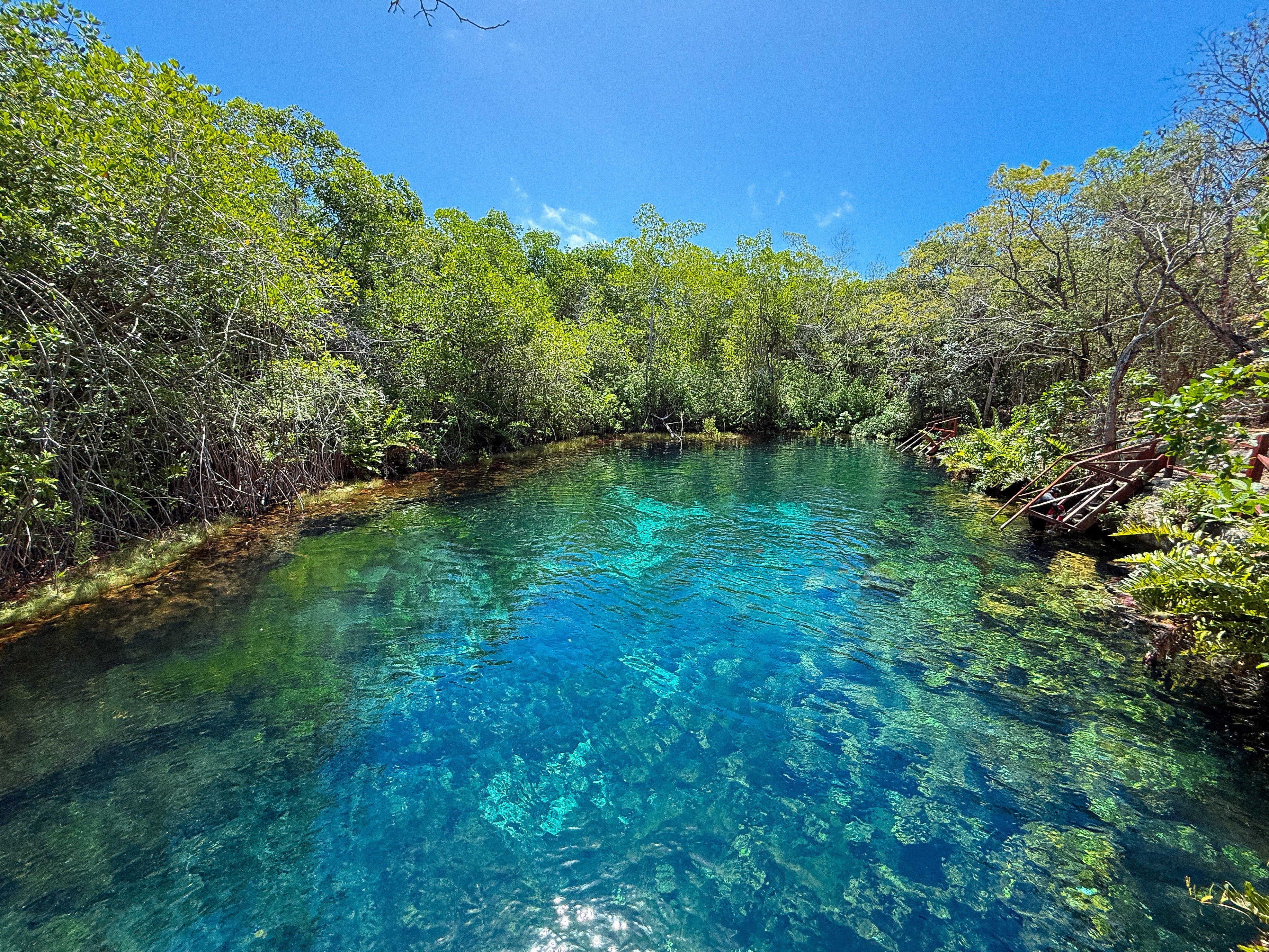
The pictures below are from the second cenote we visited, Cenote Xunaan Ha. This one was much more open and exposed compared to the first, but we had snorkel gear and underwater you could see all the cave openings around the bottom edges of the swimming hole which connected to part of that massive underground river system I mentioned above. Since sunscreen isn’t allowed in the cenotes (to help preserve the quality of the water), we were a little too nervous to hang out for long because we didn’t want to burn to a crisp.
I hope everyone is having a good week!